Recommended Reading
Featured Books
The David Horowitz Memorial Society is an Amazon Affiliate, and a small portion of the purchase price is shared with us, without any increase in costs to the customer.
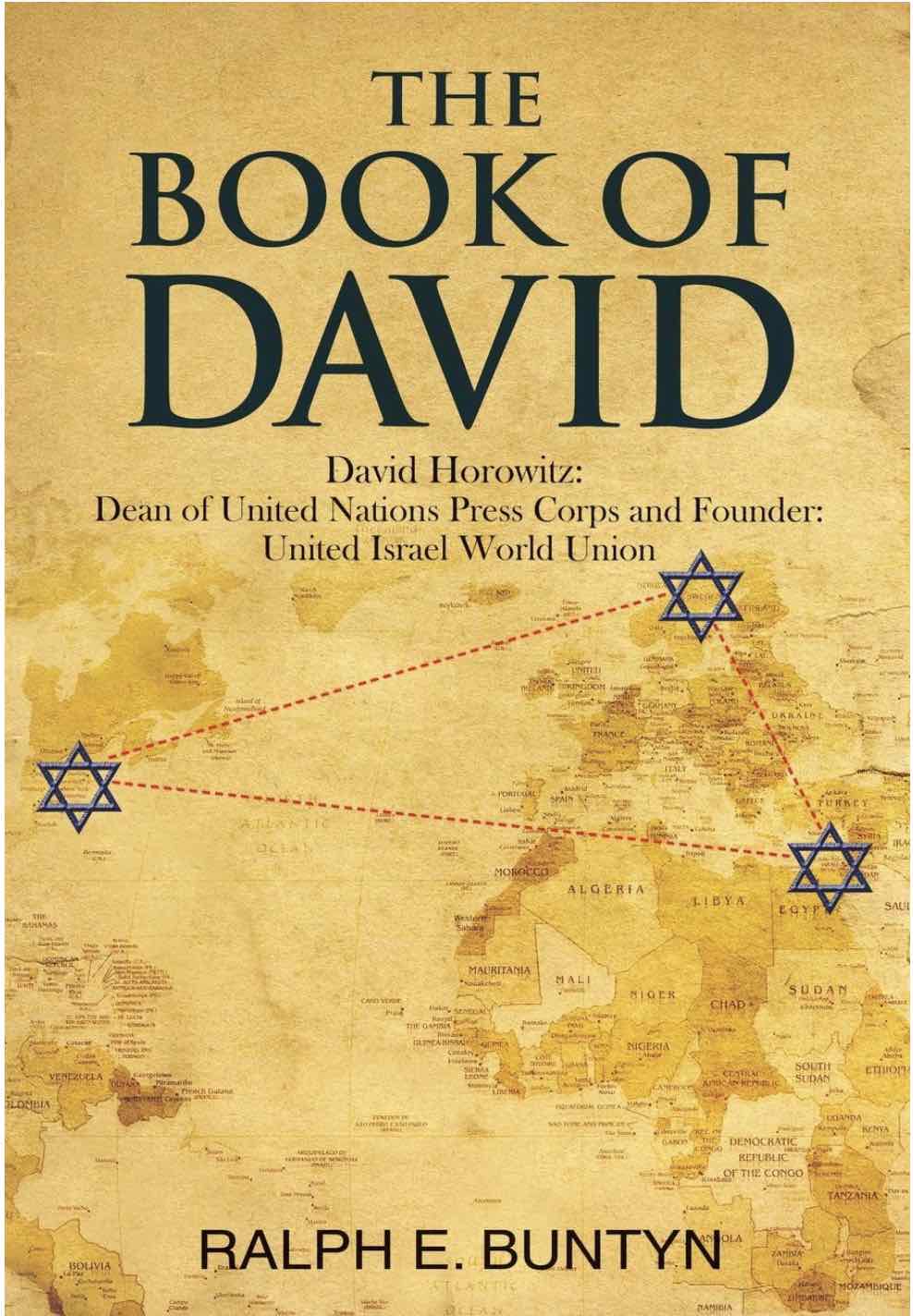
The Book of David
The Book of David—David Horowitz: Dean of Unived Nations Press Corps and Founder of United Israel World Union (Asheville: InnterQuest Books, 2018)
For over a decade, author Ralph Buntyn spent many hours with renowned United Nations correspondent and United Israel founder David Horowitz. They engaged in lengthy discussions about his foundational views drawn from his experience and unique vantage point in the two world bodies. The Book of David is based on his personal notes, extensive archival records and reflections from these conversations.In Horowitz’s autobiography Thirty-three Candles published in 1956, he wrote: “Thirty-three Candles undoubtedly calls for a sequel because much has occurred on the world scene since 1944, most of it confirming its major thesis. I feel I shall have to bow to this demand.” The Book of David is dedicated to fulfilling Horowitz’s request for an historical accounting of the period that followed.

Ralph E. Buntyn
Author
Ralph E. Buntyn is Executive Vice-President and Associate Editor of United Israel World Union, Ralph E. Buntyn is a historian and researcher, his many articles and essays have appeared in various media outlets including The Jerusalem Post, United Israel Bulletin, The Southern Shofar, and The Times of Israel where he is a regular contributing writer. After a distinguished career with a Fortune 500 company, he retired as a Senior Vice-President of Marketing in 2003.
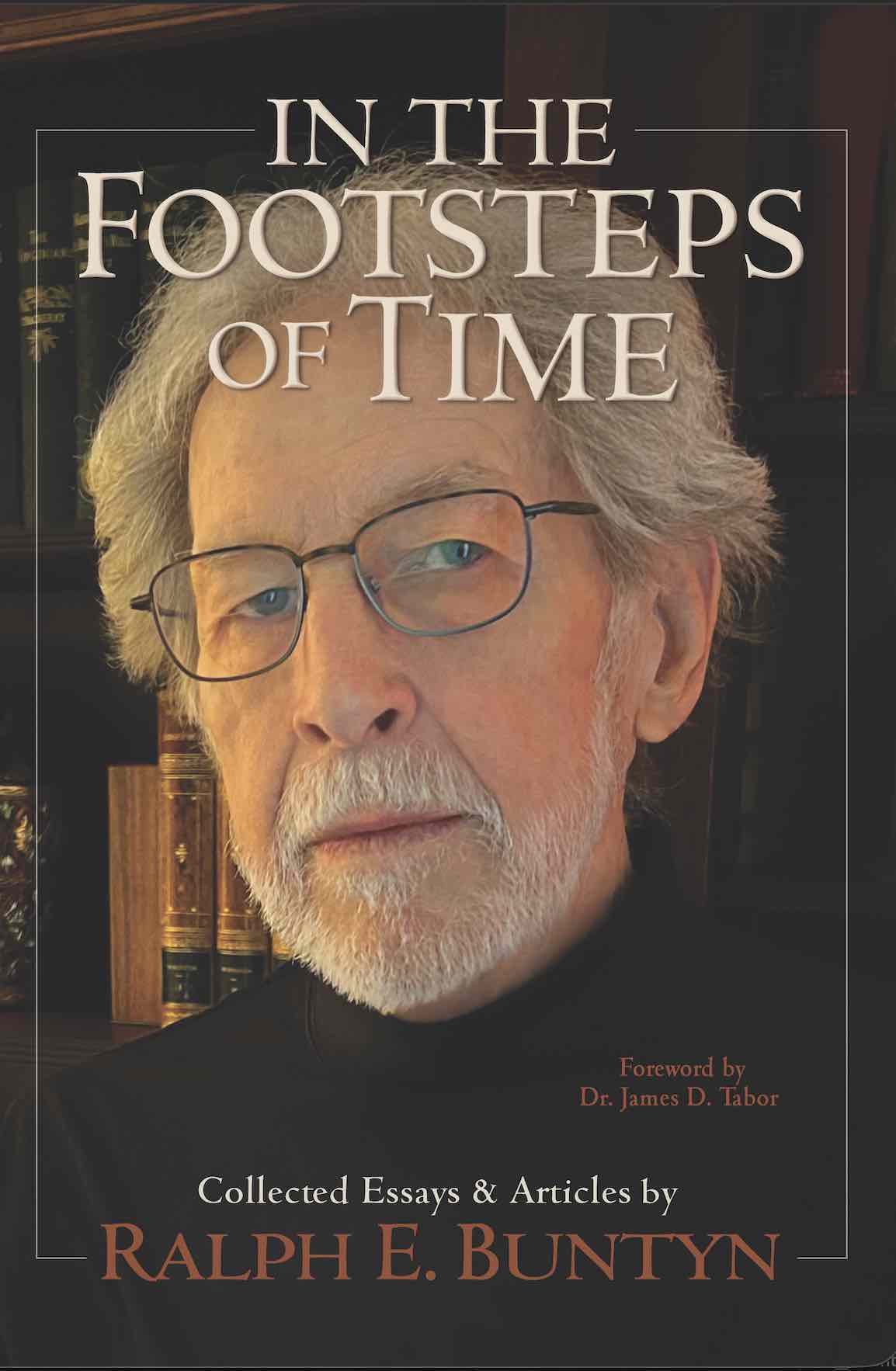
In The Footsteps Of Time
In the Footsteps of Time: Collected Essays and Articles (Charlotte NC: World Union Press, 2025)
In the Footsteps of Time by Ralph Buntyn is a compelling collection of essays blending history, personal reflection, and spiritual insight. Buntyn offers a fresh perspective on key historical figures, such as David Horowitz, Israel’s first accredited UN correspondent, and explores the deep connections between colonial American life, religious freedom, and Israel. Through gripping stories and spiritual reflections on faith and peace, Buntyn invites readers to find the divine in history and in the shared human experience. A thought-provoking read for those passionate about history, Israel, and the pursuit of peace.

JAMES D. TABOR
Author
James D. Tabor is a Distinguished Fellow in Humanities at Hebrew University. He retired as a Full Professor of Christian origins and ancient Judaism at UNC Charlotte where he taught for thirty-three years, serving as Dept Chair for a decade. His Ph.D. is from the University of Chicago. Previously he held faculty positions at the College of William and Mary and the University of Notre Dame. Tabor has combined his work on ancient texts, including the Dead Sea Scrolls, with extensive field work in archaeology in Israel and Jordan. He has previously published ten academic books, including the New York Times bestseller, The Jesus Dynasty and his latest, The Lost Mary: Rediscovering the Mother of Jesus (Knopf, 2025).
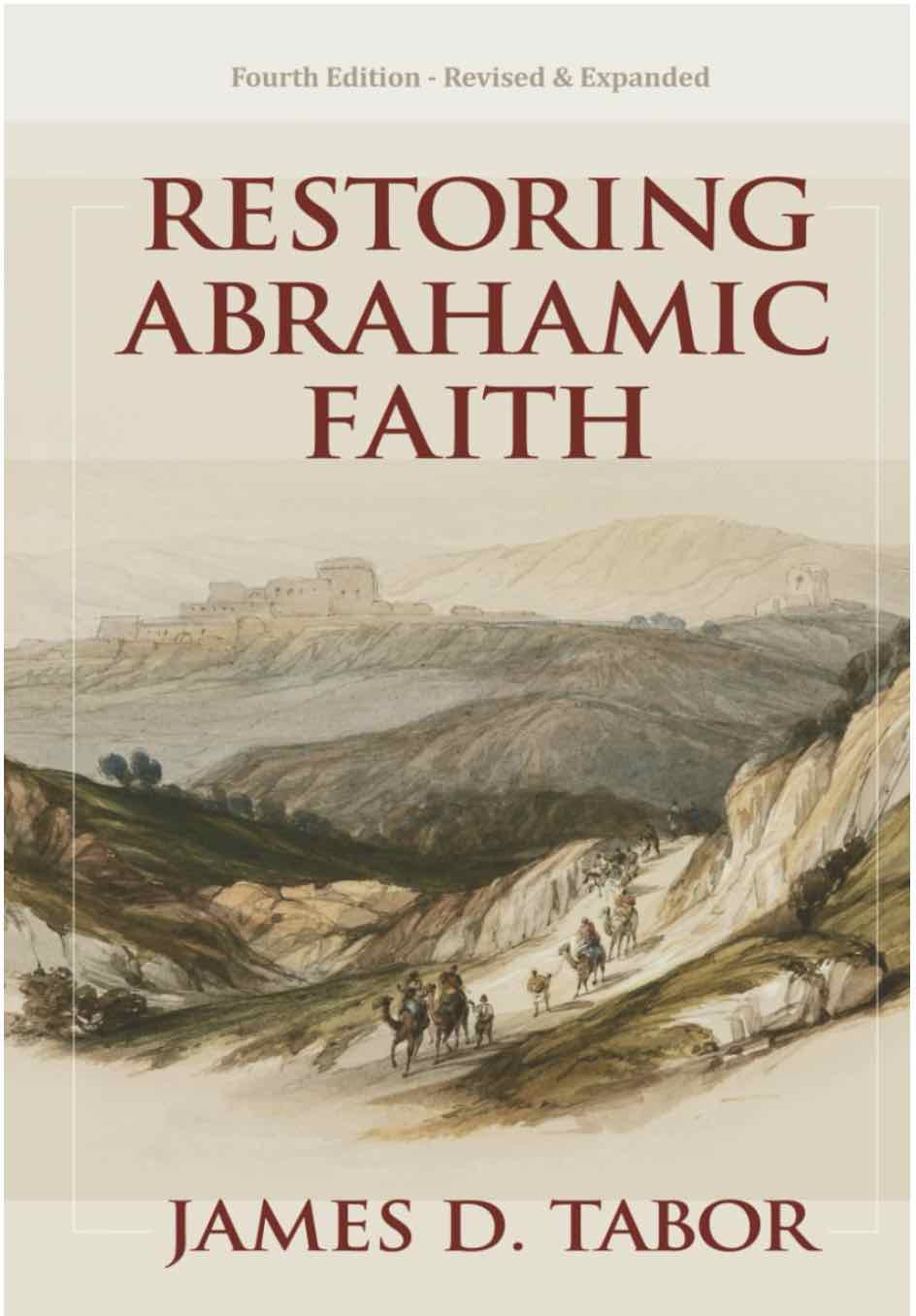
Restoring Abrahamic Faith
Restoring Abrahamic Faith (Charlotte: Genesis 2000 Press, 2025).Revised and Expanded 4th Edition
Restoring Abrahamic Faith attempts to set forth in a clear and engaging style an exposition of the ancient Hebrew Faith as broadly represented in the Hebrew Bible, with a particular emphasis on Abraham, Moses, the Torah, and the Prophets. It offers a compelling proposal for the 21st century, namely a return to the "ancient paths" of the Hebrew faith with Abraham, the first Hebrew, as a prime model. As such it is foundational to the origins of Judaism, Christianity, and Islam, the three great Abrahamic Faiths that subsequently developed in different directions. Abrahamic Faith takes one back to the beginnings and thereby offers a perspective that is as fascinating as it is valuable for anyone interested in the biblical tradition. This Fourth Edition has been carefully revised and expanded and is geared to non-specialist readers-written for those of any faith or no faith, but especially those who are drawn to understanding the historical Jesus and his original Hebraic message in its ancient biblical contexts.

Betty Tabor Givin
Author
Betty Tabor Givin is a lifelong teacher and educator. After having retired from her teaching career of several decades in the public and private school sector, she turned her full attention to religious education. She is an active board member of the David Horowitz Memorial Society (UIWU), an educational outreach non-profit organization founded in 1944. Her popular teachings demonstrate the depth and beauty of her love of the Bible and her Jewish faith. Her articles and essays have been featured in various publications and on the web. She is the proud mother of three beautiful daughters, thirteen grandchildren, and eight great-grandchildren, and currently resides in Lake Charles, Louisiana.
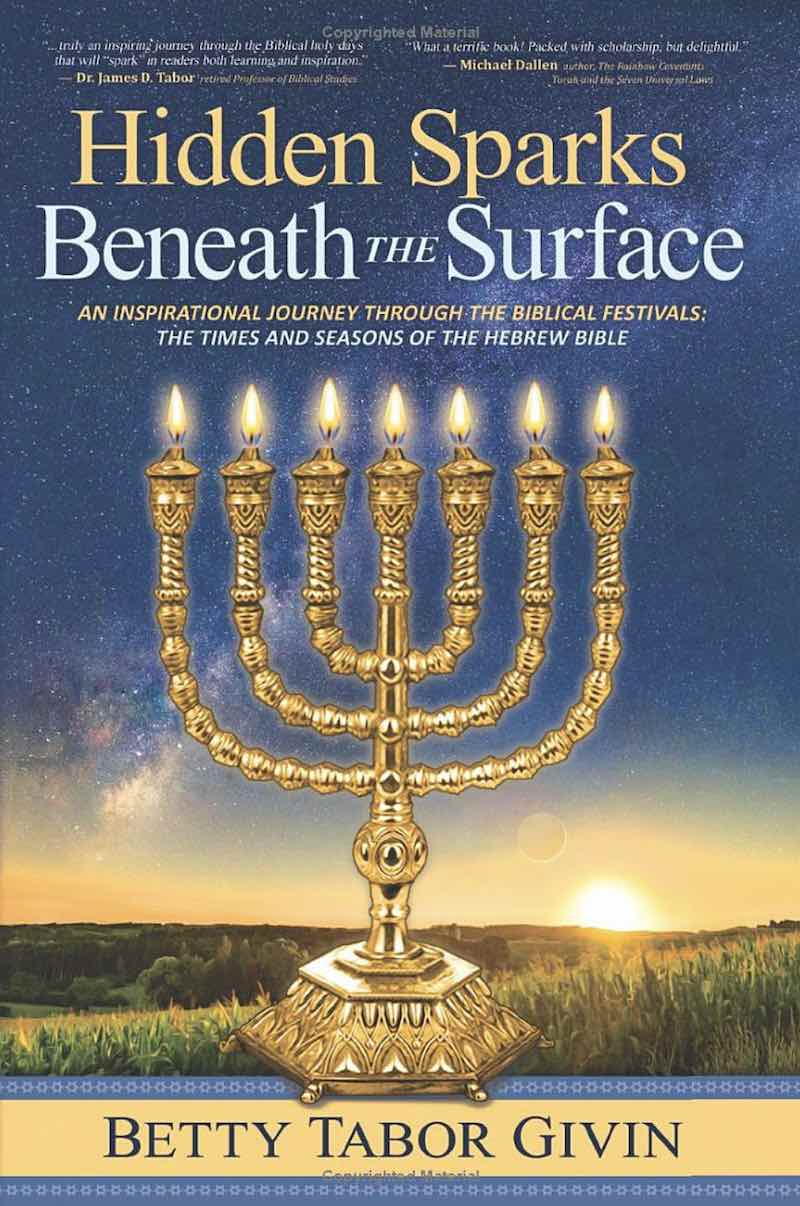
Hidden Sparks Beneath the Surface:
Connect to the Creator and tap into His Divine Timeline set from the beginning. Join Betty on a journey of discovery of the "hidden sparks beneath the surface" as you travel from Sabbath to Sabbath and new moon to new moon through the times and seasons presented in the Hebrew Bible and the stories and rich Jewish traditions that have accompanied them through the ages.

Ross K. Nichols
Author
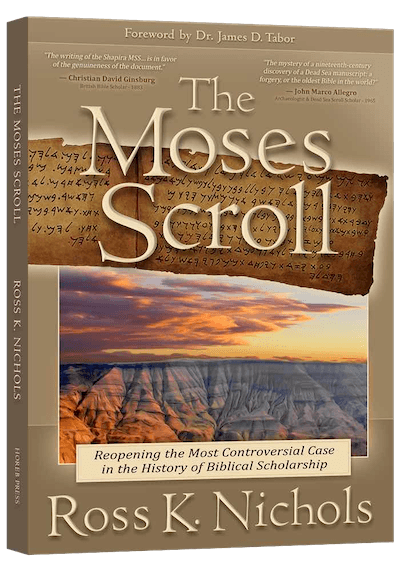
The Moses Scroll
In 1883, Jerusalem antiquities dealer Moses Wilhelm Shapira presented a set of sixteen blackened leather strips written in ancient Hebrew script. The text resembled the Book of Deuteronomy, yet with striking differences. It was said to have been discovered around 1865 in a cave east of the Dead Sea, still bearing traces of linen and a black pitch-like coating—details now familiar from the Dead Sea Scrolls. The manuscript’s narrative moved from Horeb to the plains of Moab, containing a distinctive version of the Ten Words (Commandments)—including one unknown in any other ancient witness—followed by blessings and curses that correspond directly to them, but none of Deuteronomy’s later law code (chapters 12–26). Dismissed as a forgery and forgotten after Shapira’s death, the case has reemerged since the discovery of the Dead Sea Scrolls, leading scholars to ask anew: Were the critics wrong?